These skin problems are also caused by UV rays and dryness.
Dark spots (spots and dullness)
The main cause is the overproduction of melanin, triggered by inflammation from UV rays. When skin is dry and the skin barrier weakens, the metabolic process is disrupted, and excess keratin containing melanin remains, leading to pigment accumulation.
Rough skin
Repeated exposure to UV rays thickens the epidermis and creates gaps within the skin, causing moisture to evaporate. This results in skin deformation, making it rough, hard, and flaky.
Acne
As skin becomes drier, excess keratin thickens, leading to clogged pores. Another cause of acne is skin oils that oxidize when exposed to UV rays, irritating the pores. UV exposure also worsens acne inflammation, leading to more severe symptoms.
Wrinkles and sagging skin
UV rays and dryness are major causes of wrinkles and sagging skin, common issues as we age. Fine lines on the surface are caused by a lack of moisture in the epidermis. Long-wavelength UV-A rays penetrate deep into the dermis and damage the collagen and elastin that maintain skin firmness, resulting in deep wrinkles and sagging.
Worsening symptoms (e.g., atopic dermatitis, various allergies, etc.)
Skin with atopic dermatitis is often dry with a weakened barrier. Combined with UV stimulation that triggers inflammation, symptoms often worsen, similar to general skin allergies.
Why is it necessary to protect yourself from UV rays?
UV rays reduce the effectiveness of the skin barrier
When skin is repeatedly exposed to even small amounts of UV rays, it tries to protect itself by preventing the rays from penetrating deep inside. This leads to “hyperkeratosis,” a condition where excess keratin builds up on the skin. Meanwhile, the skin’s barrier function weakens, making it easier for moisture to evaporate and causing the skin to dry out faster.
UV rays cause dryness and inflammation
Skin with a weakened barrier is delicate and easily irritated. UV rays can easily penetrate the skin, causing further dryness and inflammation. This triggers the body to overproduce melanin, resulting in skin discoloration.
Sensitive skin is vulnerable to UV rays,so sun protection is essential.
Why is preventing dry skin important?
Moisture is the key to barrier function
The “barrier” is formed by the skin’s lipid film, consisting of sweat and sebum, and the keratin layer that locks in moisture. These two steps protect the skin from internal irritation. However, without moisture, the skin deteriorates faster. Hydration not only keeps the skin moist but is also essential for preventing irritation.
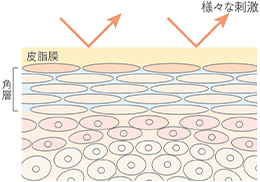
Healthy skin
The keratin layer is hydrated, and cells are tightly packed without gaps.
The skin’s lipid film provides strong protection.
Soft, smooth, and even skin.
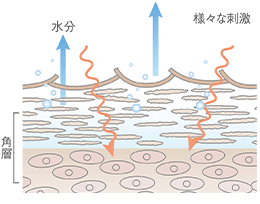
Dehydrated skin is sensitive
Sensitive skin produces less oil and sweat, and often lacks Natural Moisturizing Factors (NMF) and intercellular lipids in the epidermis. This means the outer skin is not properly protected, causing the epidermis to dehydrate and develop many gaps, making the inner skin more susceptible to irritation.
Sensitive skin
A vicious cycle of lacking intercellular lipids and Natural Moisturizing Factors (NMF) → moisture evaporation → gaps in the epidermis → penetration of irritants.
The skin’s lipid film is not functioning properly
The skin appears uneven and hard, with visible roughness, flaking, and peeling.
The secret to preventing sensitive skin is preventing dryness.Therefore, you should reconsider your moisturizing routine.
ENJOY SPECIAL DISCOUNT
Get 10% OFF YOUR 1ST PURCHASE
Code expires 30/11/2025
NOV25
FREE TOTE BAG: GIFT CODE [ ACSJ ]**
(*regular priced products, minimum order of 500 ฿)
Redeem
Choose Shipping Address
This site is registered on wpml.org as a development site. Switch to a production site key to remove this banner.