TH/EN

/

Skin Problems & Cosmetics

/

About dark spots

About dark spots

What causes dark spots?

There are many causes of dark spots, but the most significant factor is ultraviolet (UV) radiation.

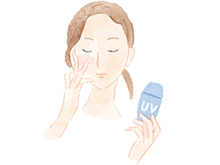
Exposure to UV rays causes an overproduction of melanin, which then accumulates in the epidermis and leads to dark spots. Therefore, UV protection and sunburn prevention are essential steps in preventing their occurrence.

However, avoid rubbing your skin harshly when applying or washing off sunscreen, as excessive irritation and friction can cause rashes. When using towels, clothing, or other items that come into direct contact with your skin, choose soft and comfortable materials.

Beyond UV rays, aging and smoking are also significant causes of dark spots.

Smoking impairs blood circulation, resulting in insufficient nutrients reaching the skin, slowing down skin metabolism, and disrupting cell turnover. This makes it easier for melanin to accumulate. Smoking also destroys Vitamin C, a vital nutrient for preventing dark spots. In addition to Vitamin C, nutrients like Vitamin B, Vitamin E, and beta-carotene are also necessary; a deficiency in these due to an imbalanced diet can lead to the formation of dark spots.

Furthermore, skin irritation that leads to inflammation—such as using cosmetics unsuitable for your skin type—can trigger excessive melanin production and hyperpigmentation. Even minor, repetitive irritation can cause pigment issues over time. It is therefore crucial to avoid skin irritation and prevent skin problems before they arise.


How can I prevent acne?

UV Protection

UV rays are present year-round, regardless of the weather or season. On sunny days, UV levels are at their peak, but even on cloudy days, they can reach over 30% of the levels seen on rainy days. It is important to stay protected regardless of the weather. There are two types of ultraviolet rays: UVA and UVB. UVA can penetrate glass and curtains to reach you indoors, so the first step to beautiful skin is practicing UV protection even when you are inside.

What are SPF and PA?

Cosmetics are often labeled with SPF and PA ratings, which indicate their effectiveness in protecting the skin from the sun. SPF measures protection against UVB rays, while PA measures protection against UVA rays. The higher the SPF value and the more '+' signs in the PA rating, the better the protection.

Improving Your Skincare Routine

Keeping your skin hydrated is also essential for preventing acne.

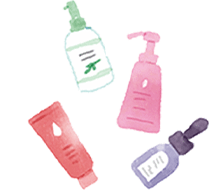
When your skin is dry, the cell turnover process is disrupted, making it easier for acne to form. Consistent care using lotions, serums, and emulsions, along with high-moisture skincare products, helps maintain skin health and ensures a normal turnover rate.

About Whitening Products

For those looking to avoid dark spots, freckles, or melasma, using cosmetics containing active whitening ingredients* (which inhibit melanin production and prevent spots and freckles) is highly effective.

Cosmetics are generally categorized into standard cosmetics and medicated cosmetics (quasi-drugs). Only medicated cosmetics containing specific active ingredients can claim a whitening effect* (by inhibiting melanin production and preventing spots and freckles), which can serve as a helpful guide when choosing products.

However, if you have sensitive skin, some active whitening ingredients may cause irritation. It is best to choose hypoallergenic and gentle products. Always try a sample first to find the product that best suits your skin.

Daily Habits to Prevent Acne

Reviewing your daily lifestyle habits is also important for preventing age-related dark spots.

Try to go to bed early and wake up early to ensure you get enough rest.
Additionally, managing your mood is important to avoid the accumulation of excessive stress.

Regarding your diet, you should eat vegetables high in vitamins and consume a variety of foods to avoid over-reliance on any single type. Vitamin C, in particular, is believed to help inhibit melanin production and promote collagen formation.

What acne treatments are available?

Many medical facilities, such as dermatologists and cosmetic surgeons, offer treatments for age spots.
In addition to oral and topical medications, laser treatments are available. Laser therapy targets the melanin in dark spots to remove them. After treatment, the spot will scab over and fall off within a few days. Results vary by individual depending on the size and color of the spot, and laser treatment may be less effective for certain types of spots, so always consult a doctor first.

Another method for treating dark spots is chemical peeling.
This involves applying a chemical solution to the skin to remove dead skin cells containing melanin. After a chemical peel, the skin becomes smoother, healthier, firmer, and more radiant, making it a popular anti-aging treatment* (age-appropriate care). Chemical peeling is a medical procedure and should be performed in a clinical setting.

Additionally, laser treatments and chemical peels temporarily thin the epidermis, making the skin more sensitive to irritation and prone to scarring if exposed to UV rays. Following these treatments, it is vital to take extra care with UV protection and use gentle skincare products to avoid stressing the skin.

This site is registered on wpml.org as a development site. Switch to a production site key to remove this banner.